


Termites are found throughout the world with a wide variety of species. Termites have three classes that each species will fit into. There are Dampwood, Drywood, and Subterranean termites. When identifying which type of species is invading your home, professional inspectors look for the soldiers and alates which are winged termites that will eventually mate and spread their colonies. Workers often tend to look very similar. Another tool that is used to identify termites is the particular wood they choose to feed on. A-Tex Pest Management would like to place the spot light on the Subterranean Termites that are common here in Texas. When first identifying what kind of termite colony you may have you must first know the three castes of every termite colony. The three castes are the workers, soldiers, and the alates or swarmers. Each has their own unique appearance and traits.
Termite Alates / Swarmers
The Alates or more commonly known as the swarmers are dark brown or black in color. They can be as big as ¼ to ½ inch long with two pairs of functioning wings that are as long as their body. The swarmers are both male and female. As the spring season begins, the increase in temperatures along with the rains will trigger the instinct for them to leave the colony in order to mate. The female will then look for a new spot to raise her future colony. One sign of swarmers that means they found your home suitable for their future colony is the presence of discarded wings. After the Alates have mated and the female has settled into the new location for her future colony, they will twist off their own wings. Seeing four wings all the same size around windowsills or doorways could mean termites have moved in.
Termite Workers & Soldiers
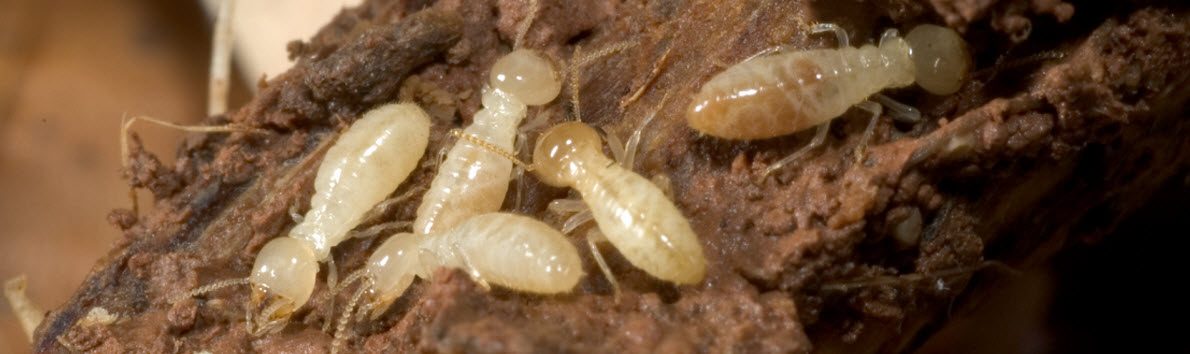
The workers, which are one of the most visible members of a termite colony, have no wings and are creamy in color. They grow up to ¼ inch or less in length. The soldiers don’t have any wings either and are light cream color as well. However what make the soldiers stand out is the larger mandibles or jaws that they use to defend the colony. The soldiers also have a large brownish head that also make them easier to identify.
Termite Nesting Sites & Mud Tubes
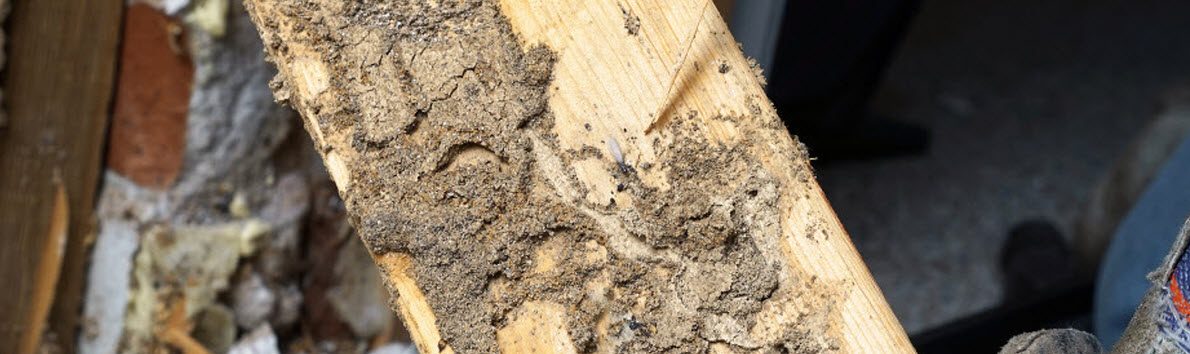
One of the key traits of identifying a subterranean termite colony is the nesting site. As their name suggests, subterranean termites nest are located underground and near a food source. Occasionally you may find a nest above the surface, however this takes a warm moist climate and with an older more established colony. The subterranean termite prefers soft damaged wood where the feed with the grain of the wood. If you see perfectly cut grooves within the grain of the wood where it looks like valleys, there is a good chance you are have subterranean termites. You may even see a tube like tunneling system that the termites build out of dirt, their own saliva and feces. This tube leads to their food source and back to their nest.
Termite Pest Inspections, Treatment, Control, Removal & More in Austin, Round Rock, Leander, Pflugerville & Cedar Park Texas
Subterranean termites can and often do burrow through the ground and make their way into your home through cracks in your home’s foundation. This can pose a serious problem because it is so hard to detect where their nest is located. If you have discovered termites or have seen signs of termite activity around your home or yard, contact A-Tex Pest Management today. We will come and do a thorough inspection to find the source of the termites nest and help protect your home from these destructive pests.
