


Formosan subterranean termites (Coptotermes formosanus) are notorious pests known for their voracious appetite for wood and the extensive damage they can cause to structures. These termites are native to East Asia, specifically Taiwan, but have spread to various parts of the world due to human activities, posing a significant threat to wooden structures and causing substantial economic damage. Today, we at A-Tex Pest Management would like to discuss the basics of Formosan Subterranean Termites.
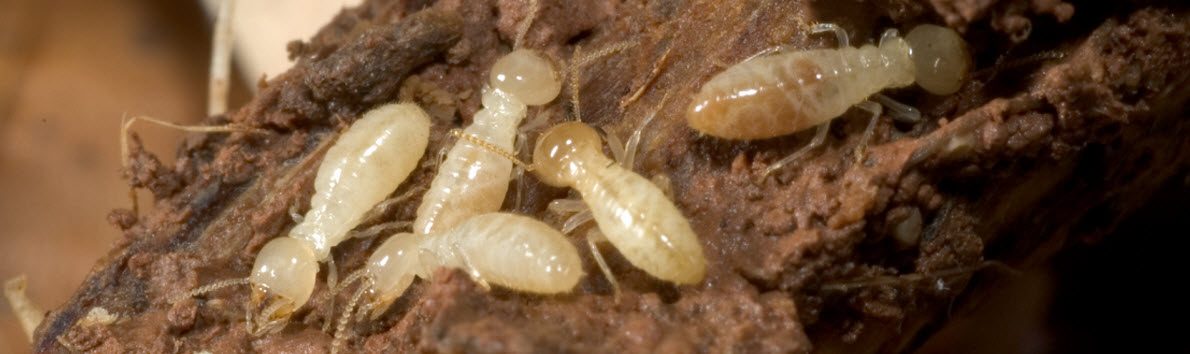
Physical Characteristics: Formosan subterranean termites are social insects, organized in colonies with distinct castes, each serving a specific purpose. The colony consists of workers, soldiers, nymphs, and reproductive individuals, including kings and queens. Workers are pale, wingless termites responsible for foraging, feeding, and maintaining the nest. Soldiers have large jaws or mandibles and play a vital role in defending the colony. The reproductive caste includes kings and queens, which are responsible for mating and establishing new colonies.
Habitat and Nesting: These termites are subterranean, meaning they live and nest in the soil. Formosan subterranean termite colonies construct intricate nests that can be located underground, in tree stumps, or within the structures they infest. Their nests are characterized by a complex system of tunnels, galleries, and chambers, providing protection and a suitable environment for the colony to thrive.
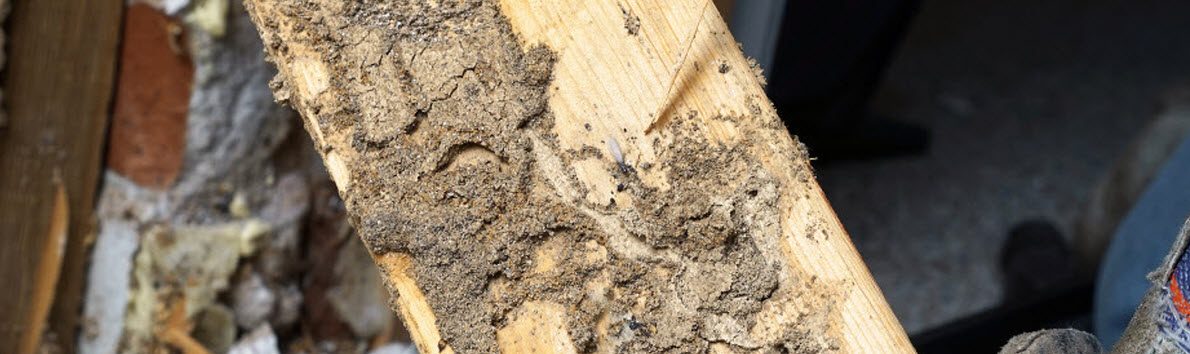
Diet and Feeding Behavior: Formosan subterranean termites primarily feed on cellulose-containing materials such as wood, paper, and plant products. Unlike some other termite species, they are known for their ability to consume living trees and shrubs, causing significant damage to vegetation in addition to man-made structures. Their feeding habits can lead to severe structural damage if left unchecked.
Spread and Infestation: Formosan termites are highly adaptable and have successfully established colonies in various climates. They are transported to new areas through infested wood, soil, or other materials. Once introduced to a new environment, they can rapidly multiply and cause widespread infestations. Infested structures may not show visible signs of damage until a significant amount of destruction has occurred, making early detection challenging.
Control and Prevention: Controlling Formosan subterranean termites requires a combination of chemical treatments, physical barriers, and monitoring efforts. Soil treatments with termiticides, baiting systems, and barrier treatments around structures are common methods used for control. Regular inspections and prompt action are crucial for preventing extensive damage.
Pest Inspections, Treatment, Control, Removal & More in Austin, Round Rock, Leander, Pflugerville & Cedar Park Texas
Formosan subterranean termites pose a serious threat to structures and vegetation, with their ability to establish large colonies and cause widespread damage. Understanding their physical characteristics, nesting habits, and feeding behavior is essential for effective control and prevention. Early detection and the implementation of appropriate management strategies are key to mitigating the economic and structural impact of these destructive pests. As global travel and trade continue, awareness and proactive measures are essential to curb the spread of Formosan subterranean termites and protect vulnerable ecosystems and structures worldwide. If you suspect termites, call A-Tex Pest Management and let us help you.
