




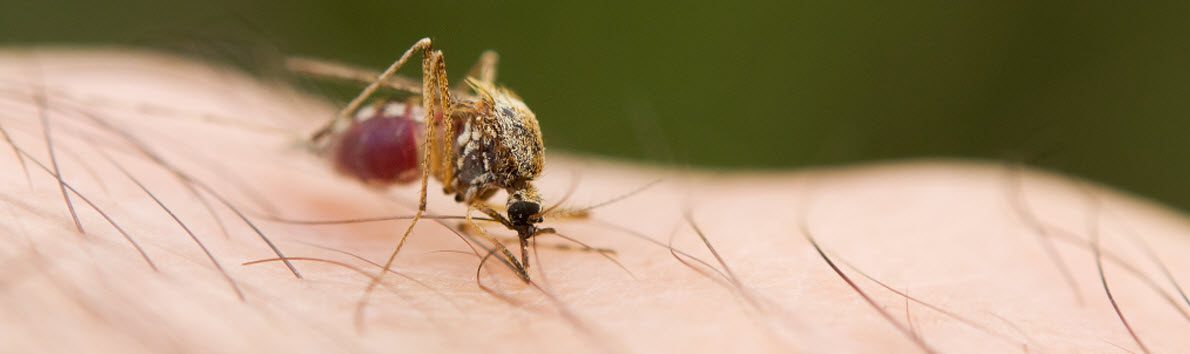
Austin, Texas is known for its warm weather, vibrant outdoor culture, and long patio season, but that same climate also creates one of the most persistent mosquito problems in the country. Unlike regions where mosquito activity disappears in the fall or winter, Austin’s conditions allow mosquitoes to survive, breed, and remain active for much of the year. We at A-Tex Pest Management would like to share how Austin’s climate creates a year-round mosquito problem.
Warm Temperatures Extend Mosquito Season
Mosquitoes are cold-blooded insects, which means their activity is directly influenced by temperature. In many parts of the United States, freezing winter temperatures kill off large portions of the mosquito population. In Austin, however, winters are often mild enough that mosquitoes don’t fully die off. While activity may slow down during colder weeks, enough survive in protected environments, such as crawl spaces, storm drains, and dense vegetation, to restart breeding cycles quickly once temperatures rise again.
Even in “winter,” Austin frequently experiences warm spells that can bring mosquitoes back out in force. A few days of 65–75°F weather can be enough for dormant populations to become active again.
Frequent Rainfall Creates Ideal Breeding Conditions
Another major factor is Austin’s inconsistent but often heavy rainfall patterns. Mosquitoes need standing water to reproduce, and even small amounts can become breeding grounds. After storms, water collects in gutters, flower pots, birdbaths, clogged drains, and low spots in yards. In a warm climate like Austin’s, mosquito eggs can hatch in as little as 24–48 hours after water is present.
Because rain events can happen multiple times throughout the year, not just in spring or summer, new breeding sites are constantly being created. This cycle allows mosquito populations to rebuild quickly even after treatment efforts.
Humidity Supports Mosquito Survival
Humidity plays a major role in mosquito longevity. Austin’s humid subtropical climate helps mosquitoes retain moisture and avoid dehydration, which increases their survival rates. Dry air typically limits mosquito activity, but in Central Texas, humidity levels often remain high enough to support both adult mosquitoes and their larvae.
High humidity also makes outdoor environments more comfortable for mosquitoes to remain active longer into the evening, extending biting periods for homeowners.
Urban Growth & Water Sources
As Austin continues to grow, urban development unintentionally contributes to mosquito issues. Construction sites, drainage systems, and densely populated neighborhoods create more opportunities for standing water. Even poorly maintained landscaping or irrigation systems can provide consistent breeding environments.
Suburban areas with shaded yards, ornamental ponds, and heavy vegetation are especially vulnerable because they offer both water sources and shelter from wind and sunlight.
Why Mosquito Problems Feel “Year-Round”
The combination of mild winters, recurring rain, and persistent humidity means mosquitoes never fully disappear in Austin, they simply fluctuate in intensity. Homeowners often notice a “seasonal” pattern, but in reality, the population is continuously regenerating in the background.
Mosquito Pest Inspections, Treatment, Control, Removal & More in Austin, Round Rock, Leander, Pflugerville & Cedar Park Texas
This is why mosquito control in Austin requires more than seasonal treatment. Ongoing prevention, source reduction, and professional barrier treatments are often necessary to keep populations manageable throughout the year.
In a climate like Austin’s, mosquitoes are not just a summer inconvenience, they are a year-round pest shaped directly by the region’s weather patterns and environment. To ensure your property is protected, trust in the experts of A-Tex Pest Management for mosquito pest control!
